When you have missing teeth, finding the right replacement solution is crucial for your health, confidence, and quality of life. For many years, traditional dental implants have been the gold standard for restoring smiles with a permanent, stable foundation. However, advancements in dental technology have introduced mini dental implants (MDIs) as another effective option. Understanding the differences between these two solutions is the first step toward making an informed decision about your oral health.
We believe in empowering our patients with clear, comprehensive information. Both traditional and mini implants offer significant benefits over other tooth replacement options, like bridges or dentures alone. They both function as artificial tooth roots, providing a secure base for a crown, bridge, or denture. The choice between them often comes down to factors such as your jawbone density, the number of teeth being replaced, your budget, and your overall health. We will walk you through the key distinctions to help you determine which path may be right for you.
Understanding the Fundamental Structural Differences
The most apparent difference between mini and traditional implants lies in their size and design. This distinction is the source of all other functional and procedural variations between the two.
Traditional Implant Anatomy
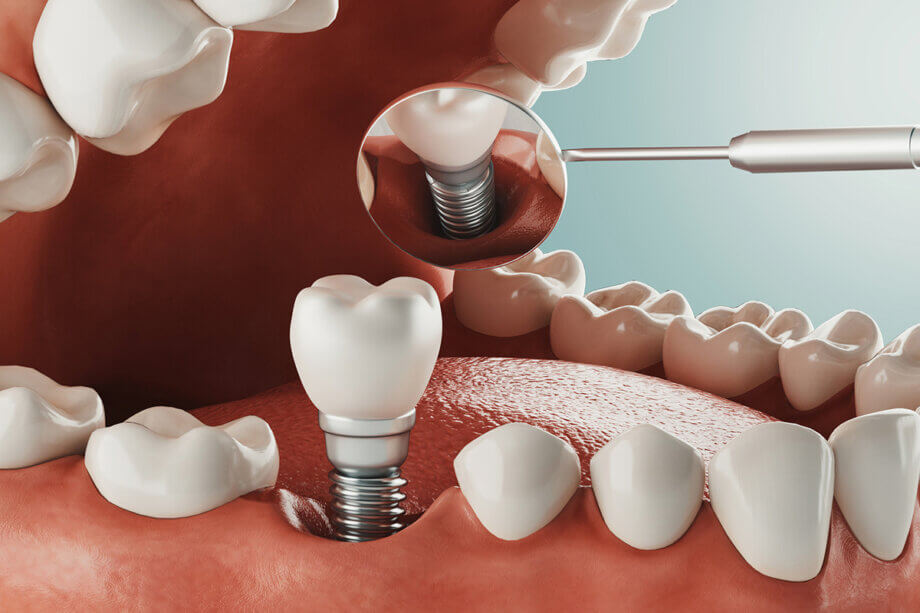
A traditional dental implant is a multi-part system. It typically consists of a titanium screw, usually 3.75 to 5 millimeters in diameter, which we surgically place in the jawbone. After a healing period known as osseointegration, where the bone fuses with the implant, we attach a separate piece called an abutment. This abutment sticks out above the gum line and serves as the connector for the final crown or prosthetic tooth. This two-piece design allows for flexibility in the angle and placement of the final restoration.
Mini Dental Implant Anatomy
In contrast, a mini dental implant is a much smaller, single-piece device. MDIs are typically less than 3 millimeters in diameter. The implant itself is a solid post with a screw-like base and a ball- or socket-shaped head at the top, which serves as the built-in abutment. This one-piece design simplifies placement, as there is no need for a second surgical step to attach a connector. Their smaller size makes them a viable option for patients with less jawbone mass.
The Procedure and Recovery Experience
The surgical process and subsequent recovery time vary significantly between traditional and mini dental implants, primarily due to their differences in size and their impact on the jawbone.
The Traditional Implant Journey
Placing a traditional implant is a more involved surgical procedure. It requires us to make an incision in the gum tissue to expose the underlying bone. We then drill a precise pilot hole and place the implant screw. Afterward, we stitch the gums closed over the implant. The critical healing phase, osseointegration, follows, which can take anywhere from three to six months. During this time, the jawbone grows around and fuses with the implant, creating a strong, stable foundation. Once healing is complete, a second minor surgery is needed to expose the implant and attach the abutment before the final crown can be placed.
The Mini Implant Advantage: A Simpler Process
The procedure for placing mini dental implants is far less invasive. Because of their small diameter, we can often put them directly through the gum tissue and into the jawbone without making a large incision or using sutures. This minimally invasive technique results in less post-operative discomfort, swelling, and a significantly faster recovery time. In many cases, we can even attach the final restoration, like a stabilized denture, on the same day as the implant placement. This immediate functionality is a significant advantage for patients seeking a quicker solution.
Ideal Candidates and Best-Use Cases
While both types of implants restore function and aesthetics, they are not interchangeable. Each is suited for different clinical situations and patient needs. Determining which implant is right for you depends heavily on your specific oral anatomy and treatment goals.
Who Benefits Most from Traditional Implants?
Traditional implants are the preferred choice for replacing single missing teeth, especially molars that endure significant chewing forces. Their larger size and two-piece design provide superior strength and durability, making them the most reliable long-term solution for individual tooth replacement. A candidate for traditional implants must have sufficient jawbone density and volume to support the implant and facilitate successful osseointegration. If bone loss has occurred, a bone grafting procedure may be necessary before implant placement can proceed.
When Are Mini Implants the Right Choice?
Mini dental implants shine in specific scenarios. They are an excellent solution for stabilizing loose or ill-fitting lower dentures. A series of four to six MDIs can be placed in the lower jaw, and the existing denture can be retrofitted to snap securely onto them. This provides remarkable stability and eliminates the problems associated with denture adhesives. MDIs are also an excellent option for patients who are not candidates for traditional implants due to insufficient jawbone mass and who either cannot or do not wish to undergo a bone grafting procedure. Their use in replacing smaller teeth with lower bite forces, such as incisors, is also common.
Making the Best Choice for Your Smile
Choosing between mini and traditional dental implants is a decision we make together with you, based on a thorough examination and a discussion of your personal goals. While conventional implants offer unmatched strength for single-tooth replacements, mini implants provide a faster, less invasive, and more affordable solution for denture stabilization and for patients with anatomical limitations. By understanding these key differences, you are better prepared to have a productive conversation about restoring your smile to its full potential. The best solution is always the one that meets your unique clinical needs and personal preferences.
Frequently Asked Questions About Dental Implants
How long do dental implants last?
Traditional dental implants, when properly cared for, can last a lifetime. The implant screw itself integrates with the jawbone and becomes a permanent part of your anatomy. The crown attached to the implant may need to be replaced due to normal wear and tear after about 10 to 15 years. Mini dental implants also have good longevity, mainly when used to stabilize dentures. However, their long-term success rates as single-tooth replacements are still being studied and may not match that of their traditional counterparts.
Is the dental implant procedure painful?
We perform all implant procedures using local anesthesia, so you will not feel any pain during placement. For traditional implants, patients may experience some post-operative discomfort, swelling, and bruising for a few days, which is manageable with over-the-counter pain medication. Because the mini dental implant procedure is minimally invasive, most patients report very little to no discomfort afterward and often resume normal activities the next day.
At Carmel Dental Associates, we provide comprehensive dental care for families in Carmel, IN, and the surrounding communities. We combine advanced technology with a compassionate approach to help you achieve and maintain a healthy, beautiful smile. To learn more about our practice or to schedule a consultation, please contact us today.