When patients visit us seeking a dramatic smile transformation, they often ask about dental veneers. These thin, custom-made shells offer a fantastic solution for correcting a variety of cosmetic concerns, from discoloration to minor crookedness. One of the most common topics we discuss is the difference between traditional veneers and no-prep veneers. Understanding these two approaches helps you choose the best path for achieving your personal smile goals.
We empower you with information so that you can make the best decisions for your health and smile. To choose between these two types of veneers, consider your specific dental anatomy, the changes you want, and your long-term oral health. Your choice goes beyond aesthetics; you want a solution that blends naturally with your teeth to deliver a beautiful, durable, and comfortable result. Let’s explore the differences, so you know exactly what each process involves.
The World of Traditional Veneers
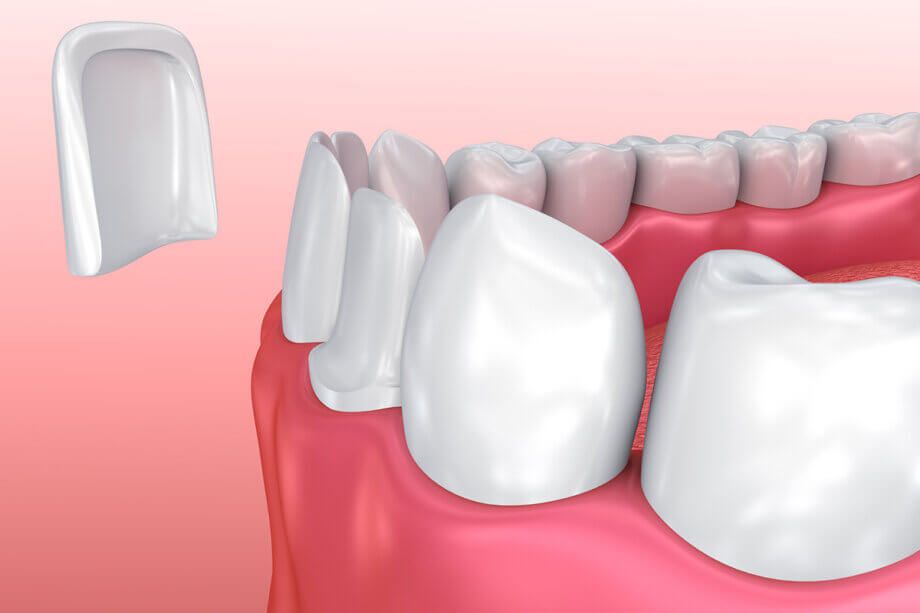
Traditional porcelain veneers offer a classic, time-tested method for achieving a flawless smile. Many people picture a complete smile makeover when they think about this approach. The traditional technique requires us to prepare the natural tooth before we bond the veneer to it. This crucial step allows traditional veneers to correct more significant cosmetic issues.
What Does Tooth Preparation Involve?
When we prepare a tooth for a traditional veneer, we carefully remove a very small amount of enamel from the front surface. We typically remove between 0.3 and 0.5 millimeters—about the thickness of a contact lens. This slight reduction serves two important purposes. First, it ensures the veneer will lie flat and flush with your other teeth, preventing a bulky or unnatural appearance. Second, it creates an ideal surface for the bonding agent, ensuring a strong, long-lasting bond between the veneer and your tooth. Because we remove enamel, you cannot reverse this process. After we prepare a tooth for a traditional veneer, you will always need a veneer or a crown to cover it.
Who Is a Good Candidate for Traditional Veneers?
We recommend traditional veneers for patients who want to address more noticeable cosmetic concerns. If you have moderately crooked teeth, significant staining that does not respond to whitening, or small gaps you want to close, traditional veneers give you the flexibility to make those changes. The preparation process allows us to reshape the visible surface of the tooth, creating a uniform, symmetrical appearance. With this method, we maintain the highest degree of control, enabling us to deliver a truly transformative, customized result. Patients who want a durable, long-lasting solution for a wide range of aesthetic flaws benefit most from this procedure.
Understanding No-Prep Veneers
Advances in dental technology have brought new options for enhancing your smile. No-prep veneers, sometimes marketed under brand names like Lumineers, offer a more conservative approach to cosmetic enhancement. As the name suggests, you typically do not need to remove much, if any, of your natural tooth enamel before applying these veneers. Many patients find them appealing because they allow you to keep your natural tooth structure intact.
How Are No-Prep Veneers Different?
You will notice the main difference in the thickness of the veneers. No-prep veneers are exceptionally thin, often about as thick as a single sheet of paper. Their ultra-thin profile lets us bond them directly to the surface of your existing teeth without creating extra bulk. You benefit from a simpler and often faster procedure than the traditional method. Since we do not remove any enamel, you can often reverse the process. If you ever choose to remove your no-prep veneers, your natural teeth remain unchanged underneath. Many patients appreciate this reversibility.
Are There Limitations to No-Prep Veneers?
No-prep veneers offer significant benefits due to their conservative nature, but you will notice certain limitations. Because these veneers are so thin and we bond them directly over your natural tooth, you cannot use them to correct every cosmetic issue. For example, very dark staining or discoloration may remain visible. You also cannot fix problems like significant crookedness or large gaps, since no-prep veneers follow the existing shape of your teeth. People with relatively straight teeth who want to make minor adjustments to shape, color, or small imperfections see the best results. Keep in mind that no-prep veneers may feel slightly thicker than your natural teeth, which some patients find important when deciding.
Making the Right Choice for Your Smile
Choosing between traditional and no-prep veneers means assessing your unique dental situation and personal goals for your smile. No single option works best for everyone; the right choice is yours. We lead you through this decision by performing a thorough examination and having an open conversation about your desired outcome.
Factors to Consider in Your Decision
During your consultation, we evaluate several key factors. We look at the alignment, color, and health of your enamel. We talk about the changes you want, whether you prefer a subtle enhancement or a complete smile redesign. You also consider your commitment to the procedure. Traditional veneers offer a permanent cosmetic solution, while you can reverse no-prep veneers. We discuss budget and long-term maintenance, as these details matter for any dental treatment. Our goal is to give you the information you need to make a confident, informed choice—one that will make you happy for years to come.
Your Path to a Brighter Smile Starts Here
If you lean toward the transformative power of traditional veneers or prefer the conservative approach of no-prep options, begin with a conversation. We will help you weigh the pros and cons of each treatment based on your unique smile. Together, we design a treatment plan that matches your vision and delivers a stunning, natural-looking result. You can achieve your dream smile, and we stand ready to help you reach it.
Frequently Asked Questions About Dental Veneers
How long do veneers last?
How long your veneers last depends on the type you choose and how well you care for them. Traditional porcelain veneers offer excellent durability and usually last from 10 to 15 years, sometimes even longer, with great oral hygiene. No-prep veneers have a thinner profile and often last between 5 and 10 years. In both cases, you can extend the lifespan of your veneers by avoiding hard foods, not using your teeth as tools, and keeping up with regular dental check-ups.
Can you still get cavities with veneers?
You can still get cavities on a tooth that has a veneer. The porcelain veneer does not decay, but it only covers the front surface of your tooth. The back and sides of your tooth, and the area along the gum line, still collect plaque and can develop decay. Brush twice a day, floss daily, and schedule regular professional cleanings to maintain your underlying tooth structure.
At Carmel Dental Associates, we serve families in Carmel, New York, and nearby communities with comprehensive cosmetic and restorative dentistry. Our team uses advanced technology and a personal touch to help you achieve and maintain a healthy, beautiful smile. For more information or to schedule a consultation, please contact us today.