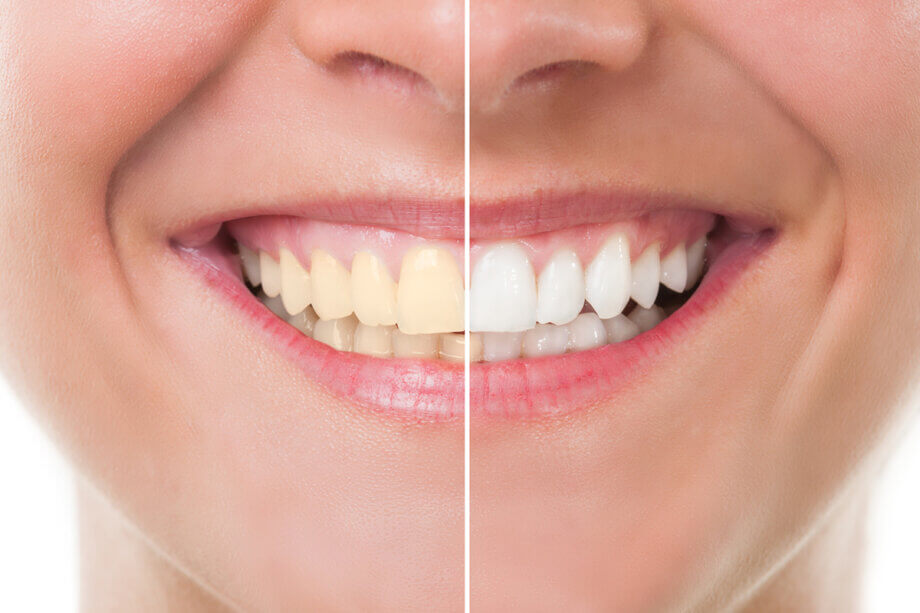
Congratulations on making a significant step toward a brighter, more confident smile! Professional teeth whitening dramatically improves the appearance of your teeth, leaving you looking and feeling your best. However, your work does not end when you leave our office. For the first 48 to 72 hours after your treatment, your teeth remain more porous and susceptible to staining. Your food choices during this critical period either protect your investment or reverse the brilliant results you just achieved.
We want to help you keep your dazzling results for as long as possible. That’s why we created this guide to help you navigate your post-whitening diet. When you choose the right foods and avoid specific staining agents, you ensure your smile stays bright and beautiful. This guide outlines the "white diet," a simple but effective approach to eating after your procedure. Stick to light-colored foods and drinks that do not compromise your freshly whitened enamel.
Why Your Diet Matters After Whitening
When you have professional teeth whitening, a bleaching agent opens the pores, or tubules, in your tooth enamel. This process lets the agent reach and break down the discolored molecules within the tooth. While this approach works well, it also temporarily makes your enamel more porous and dehydrated. Imagine a sponge; for the first two to three days after your treatment, your teeth will absorb pigments from the foods and drinks you consume more easily.
You should take extra care with your diet during this time. Dark-colored foods and beverages contain intense pigments called chromogens. These compounds bind to tooth enamel, causing stains. Acidic foods and drinks can also weaken your enamel, making it easier for stains to set in. When you make thoughtful meal choices, you allow your teeth to rehydrate and the pores in your enamel to close, creating a stronger defense against future discoloration.
Protecting Your Investment
You can protect your results best by following a "white diet" for the first 48–72 hours. This diet uses foods and drinks that are white or light in color and non-acidic. While this plan might feel restrictive, you only need to commit to it for a short time, and you gain long-term benefits for your smile.
The Power of Water
Drink plenty of water during this period. Water contains no staining agents, keeps you hydrated, and rinses away food particles that might cling to your teeth. Swish with water after every meal to keep your smile bright, especially in the days following your whitening treatment.
Safe Foods for a Whiter Smile
You might find it easier than you expect to make the right diet choices after whitening. Follow a general rule: if something stains a white shirt, it also stains your teeth. Focus on eating light-colored, non-acidic foods. We compiled a list of excellent options that keep your smile safe and satisfy your appetite. These foods help you get the nutrients you need without jeopardizing your whitening results.
Choose from plenty of delicious options to stay full and keep your teeth sparkling. If you plan your meals for a few days, you can stick to this temporary diet easily and avoid accidentally choosing foods that stain. Remember, you only need to make these choices for a short time to get long-lasting brightness.
Your Post-Whitening Grocery List
Choose some of the best foods for your diet during the first few days after treatment:
- Lean Proteins: Skinless chicken and turkey, white fish such as cod or haddock, and tofu provide excellent protein sources and remain light in color.
- Grains and Breads: White rice, pasta, white bread, and peeled potatoes (baked or mashed) make safe choices. Watch out for colored sauces. Try a white cream sauce or simple olive oil and garlic dressing instead of red sauce.
- Fruits and Vegetables: Go with light-colored fruits and vegetables—cauliflower, white onions, mushrooms, bananas, and peeled apples all work well.
- Dairy Products: Plain yogurt, white cheeses such as mozzarella or provolone, milk, and cottage cheese provide safe, calcium-rich choices for your teeth.
- Snacks and Drinks: Clear soups, crackers, and water offer perfect ways to curb hunger without risking your smile.
Foods and Drinks to Avoid After Whitening
Knowing what to avoid is just as important as knowing what to eat. During the first 48–72 hours after treatment, you must avoid certain foods and drinks to keep your new smile bright. These items contain dark pigments, acids, or tannins that quickly cause stains on vulnerable enamel. Staying careful for a few days can make a big difference in how long your whitening results last.
Most items you need to avoid come from dark liquids and richly colored foods. Think about your favorite dark sauces, vibrant berries, and your morning coffee or tea. Although you may use these staples frequently, they can seriously damage your freshly whitened teeth. Stay away from extremely hot or cold foods, as your teeth may feel more sensitive after treatment.
The Stain-Causing Culprits
Avoid these common foods and drinks for at least three days after whitening:
- Dark Beverages: Coffee, tea, red wine, dark sodas, and fruit juices like grape or cranberry are significant sources of stains.
- Colored Sauces: Steer clear of tomato sauce, soy sauce, mustard, ketchup, and balsamic vinegar.
- Colorful Fruits and Vegetables: Berries (strawberries, blueberries, raspberries), beets, carrots, and dark leafy greens such as spinach transfer their color to your teeth.
- Chocolate and Candy: Dark and milk chocolate, as well as brightly colored candies, contain pigments that can stain teeth.
- Tobacco Products: Smoking or using any form of tobacco stains your teeth quickly and undermines both your oral health and your whitening results, so avoid it altogether.
Maintaining Your Bright Smile for the Long Term
After you finish the first few days with a "white diet," start adding other foods back into your meals gradually. However, keeping your radiant smile requires continuing care. The habits you build now will help you keep your teeth whiter for months or even years. A few simple changes will make a significant impact. For example, when you drink beverages such as coffee or red wine, use a straw to help liquids bypass the front surfaces of your teeth. Rinse your mouth with water after eating or drinking staining foods or drinks to wash away pigments before they set. Always practice proper oral hygiene—brush twice a day, floss daily, and go to your regular dental checkups and cleanings. These practices remove plaque and surface stains, keeping your teeth healthy and looking their best.
Frequently Asked Questions About Teeth Whitening
How long do the results of professional teeth whitening last?
Your results last longer when you maintain good habits. Expect the effects of professional teeth whitening to last from one to three years if you practice proper oral hygiene. Avoid staining foods and drinks, stay away from tobacco, and keep a consistent routine to prolong your bright smile. You can also use our take-home touch-up kits periodically to help maintain your desired shade.
Is teeth whitening safe for my enamel?
Yes, professional teeth whitening performed by a qualified dentist keeps your enamel safe and delivers effective results. We select whitening agents that clinical studies show protect tooth enamel. Some patients may notice temporary tooth sensitivity or gum irritation after the treatment. However, these effects usually fade within a few days. We always take precautions to protect your gums and reduce sensitivity during the procedure.
At Carmel Dental Associates, we serve families in Carmel, NY, and the surrounding communities with comprehensive dental care. We use advanced technology and a personal approach to ensure every patient feels comfortable and confident during treatments. To learn more about our services or schedule an appointment, please contact us today.